
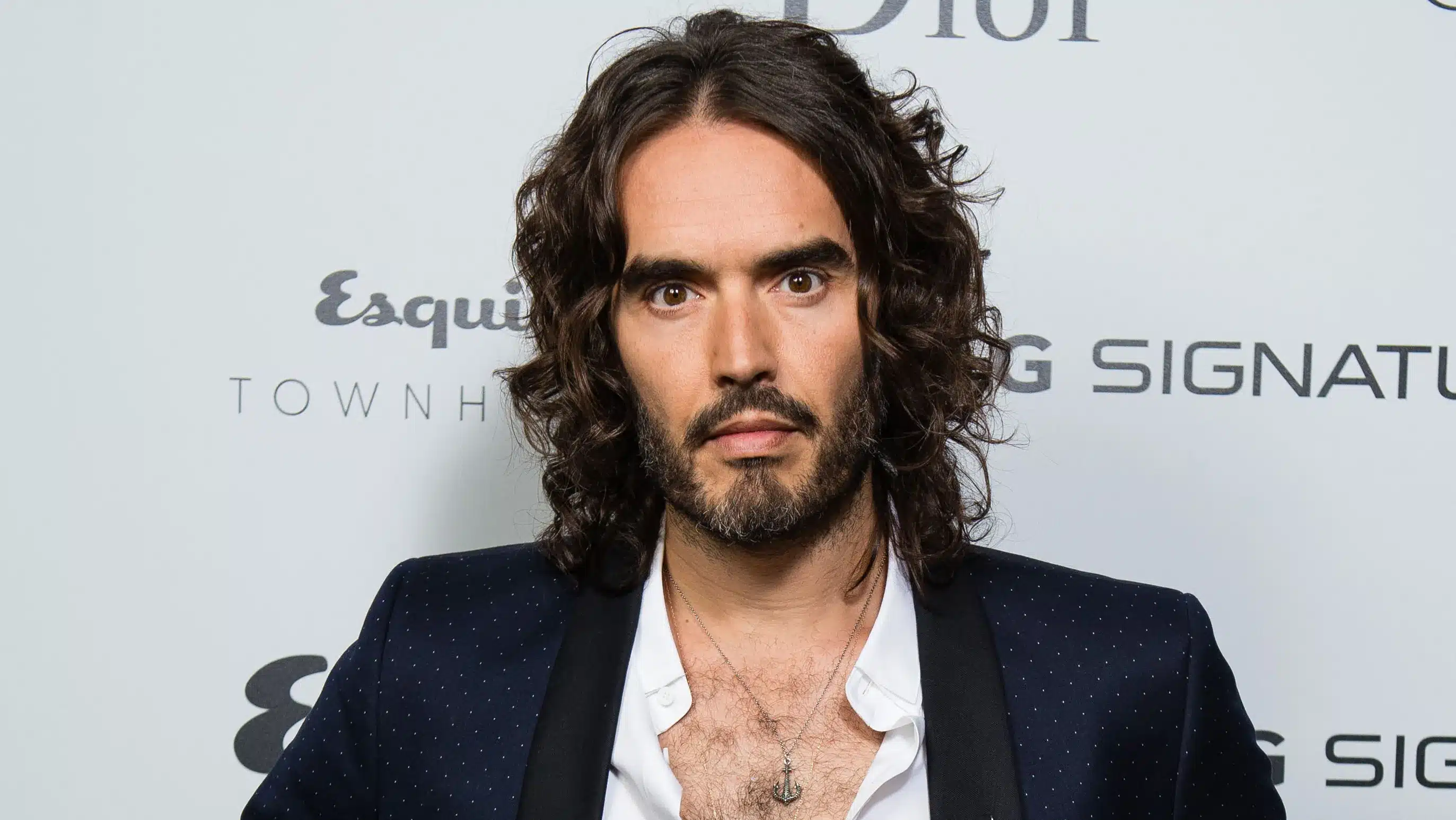
Russell Brand’s name hit the headlines on 29 March, with a bombshell out of the UK – charges of rape, oral rape, indecent assault, and two counts of sexual assault, all tied to alleged incidents between 1999 and 2004. For men who follow power plays and cultural shifts, this is a story that grabs you by the collar: a former wild child turned spiritual figure now facing a legal fight over deeds from a quarter-century ago. It’s not just about what happened – or didn’t – it’s about why now, why this way, and what it says about a world that loves to dig up old dirt. Are we chasing justice, or is something else at work?
Picture 1999 – Britney Spears ruled the charts, the internet was a screeching dial-up dream, and nobody had a camera phone. Brand was a scrappy 24-year-old, far from the praying-the-rosary Christian he is at 50. Back then, he was open about his chaos – drugs, sex addiction, a runaway teen life that left scars. His 2007 autobiography laid it bare: cannabis, LSD, ecstasy, amphetamines, bulimia, and a hunger for women that he didn’t hide. Fast forward, he conquered Hollywood – movies like Forgetting Sarah Marshall, a marriage to Katy Perry – and no whispers of assault trailed him. Not a peep until September 2023, when a Channel 4 and Sunday Times report dropped claims from four women about 2006-2013. Those sparked this case – new accusers, older stories, 1999-2004, and now London’s Metropolitan Police are moving, no statute of limitations to stop them.
The UK’s no-time-limit rule is the crux here. Unlike Australia, where most crimes cap at 7 years unless it’s murder or child abuse, Britain lets allegations breathe forever. That’s a double-edged sword. Victims can speak up decades later, carrying trauma that doesn’t fade – but how do you defend against a ghost? Buildings from 1999 are gone, memories blur, and cell phones weren’t tracking your every step. Brand’s response on March 29 was steady – calm, collected, denying any non-consensual acts, leaning on his past as a “fool” and “drug addict” before finding faith. He’s ready to fight in court, but the deck’s stacked: no physical evidence from 26 years ago, just words against words. For men who’ve watched justice twist, it’s a chilling thought – your life today, judged by who you were at 20.
What’s driving this? The 2023 report lit the fuse, inspiring these accusers to step forward – or so the story goes. But why did it take a TV special to jog memories? Brand’s shift from Hollywood bad boy to outspoken critic raises flags. He’s been loud – questioning power, embracing faith, calling out the establishment. That’s a magnet for trouble. Hollywood loves a redemption arc until you step out of line – then the past gets weaponised. Look at the pattern: stars climb, clean up, speak freely, and suddenly, old sins resurface. No one’s saying victims don’t deserve a voice, but the timing feels curated – 26 years of silence, then a pile-on after Brand’s voice got too big.
The stakes hit deeper than one man. If these charges hold – specifics are still under wraps – they could reshape how we weigh justice versus time. Should a crime reported in 1999, with evidence, sit ignored? No – action’s fair if tech or DNA cracks it open. But a fresh claim, no paper trail, decades later? That’s a trap for anyone – Brand, you, anyone with a messy youth. Men who’ve clawed through their own demons know this: change is real, but the world doesn’t always forgive. Australia’s got limits for a reason – 7 years keeps it grounded. The UK’s open season risks turning courts into memory lanes, not truth machines.
This isn’t about Brand’s innocence or guilt – details will unfold, and courts decide that. It’s about a system where time doesn’t heal but hunts. Brand’s a symbol now – wild past, public redemption, and a target when it suits someone’s script. Society’s quick to cheer a fallen star’s stumble, but what’s lost when we let yesterday’s chaos define today’s man? For every guy who’s rebuilt himself, this case is a warning: the past isn’t dead, and someone’s always ready to dig.